For a lot of men, the second half of life is easier in practical terms than anything that came before. The hardest building years are behind you. Groceries show up at the door. The car nearly drives itself. The work may now be the kind other people carry out. And somewhere inside all that ease, plenty of men notice that nothing feels quite as good as it used to.
This week four voices in the Trailhead Library came at that flatness from different directions. A neuroscientist says our brains were built to work for their rewards. A psychologist and his son say the problem is often wanting, not liking. A performance coach says that if life gives you no arena, you’ll go rent one. And a social scientist warns that working less isn’t the cure many people imagine. Read side by side, they point to something none of them says alone.
The Missing Link Between Effort and Reward
On November 17, Michael Easter’s Two Percent ran a long conversation with Kelly Lambert, a neuroscientist at the University of Richmond: Life Is Easier. Why Aren’t We Happier? Their starting point is a puzzle. We live longer and more safely than any humans before us, yet by Lambert’s account, rates of depression and other mental health problems are as high as they’ve ever been.
Lambert’s answer comes from years of work with rats. In one line of research she compares “worker rats,” which have to dig for their treats, with “trust fund rats,” which get the same treats for free. As she describes it, the animals that work for their rewards handle stress better. She calls the human version of this the contingency conundrum. For most of history, effort and reward were tightly linked. You worked, then you ate. Now the link has been cut, and the brain’s reward system is left with little to do.
Her summary of the problem: “Modern life is built to bypass all effort and give instant gratification.” She isn’t against medication, but she argues that behavioral approaches like exercise, working with your hands, and time with other people deserve to come first, or at least alongside a prescription. The practices she and Easter land on are plain. Take up hands-on hobbies and crafts. Do chores and projects that take real effort. Move with other people. Build in things to look forward to. That last one matters. Lambert stresses anticipation, the feeling of working toward something good, as part of what the brain is missing.
Liking Versus Wanting
A day earlier, Rick Hanson and his son Forrest took on the same flatness from the clinical side. Their Being Well episode, Anhedonia: Why Nothing Feels Good Anymore, and How to Fix It, posted November 16, is about losing interest or pleasure in things that used to feel good.
The Hansons draw a distinction that’s easy to miss. Liking is enjoying something once you have it. Wanting is the pull that gets you moving toward it. They argue anhedonia is often more of a wanting problem than a liking problem. A man may still enjoy a good meal or a walk with someone he loves when it happens. What’s gone quiet is the drive to go looking for it.
That’s why they say simply making yourself do more stuff isn’t enough on its own. Pushing through activities doesn’t necessarily bring the wanting back. They point instead to an approach called Positive Affect Treatment, built around wanting, liking, and learning, and to Rick’s long-standing practice of taking in the good: staying with a good experience long enough that it actually registers. The aim, in their words, is to “turn the good up rather than just turning the bad down.” The episode even includes a live demonstration of someone learning to want something again.
Here’s where the two conversations meet. Lambert says the brain needs effort tied to a reward it can anticipate. The Hansons say the broken piece is often the wanting itself. Put together, they give a sharper picture than either does alone. The flat feeling isn’t only too much comfort, and it isn’t only a brain that has stopped wanting. It’s what happens when there’s nothing in your week worth reaching for, and no effort standing between you and anything you get.
A note of care: anhedonia is closely tied to depression. If nothing has felt good for a long time, that’s a reason to talk with a doctor or therapist, not just to pick up a new hobby.
Rent an Arena, or Build One
Steve Magness came at it from an unexpected angle. In If Your Life Has No Arena, You’ll Rent One, posted November 20, he looks back at decades of alarm over violent video games and argues the research never backed it up. His more interesting point is about why games pull people in at all. Drawing on self-determination theory, he says games give people autonomy, competence, and connection, the same needs a lot of jobs and daily routines no longer meet. When real life stops offering a place to try hard, get better, and be seen doing it, people find a substitute. In his words: “If your life has no arena, you’ll go rent one.”
For men in midlife, the rented arena might not be a video game. It might be fantasy football, a trading app, the news feed, or a work inbox checked at 10 p.m. because at least something there feels like a contest. Magness isn’t scolding anyone. He’s asking where the sandlots went. One reader in the comments added a simple test worth borrowing: does your week include one thing you’re visibly getting better at?
The Trap of Simply Doing Less
That brings us to Arthur C. Brooks. In Why Working Less Might Make You Miserable, published November 16 in The Free Press, Brooks takes aim at proposals to legislate shorter work. Much of the piece sits behind a paywall, but the opening makes the case clear enough. Those proposals, he argues, rest on an old picture of workers as a downtrodden class just waiting to be freed so they can love, learn, and create. His response to that picture: “If only it were so easy.”
Brooks isn’t defending long hours or bad jobs. His point is that taking work away doesn’t automatically put something good in its place. That’s worth hearing for any man counting down to early retirement, or planning to step back once the kids are launched. The fantasy is that the good life starts when the effort stops. Lambert’s rats suggest something closer to the opposite. Effort is part of what makes a reward feel like one.
There’s a real tension in this group. Easter and Lambert want more effort. The Hansons warn that effort alone won’t bring the wanting back. Brooks warns that less effort won’t either. None of them says rest is bad, and none says the answer is to grind harder at a job that’s gone empty. The common ground is narrower and more useful. What the second half needs isn’t more ease or more work. It’s effort you chose, aimed at something you can look forward to.
Something Worth Reaching For
That idea is practical, and it fits inside a single week. Pick one thing that takes your hands or your legs and some real sweat. Make it something you can get visibly better at. Put a date on the calendar so there’s something ahead of you. When it goes well, stay with the good feeling a little longer than seems necessary. None of that requires quitting your job or blowing up your life.
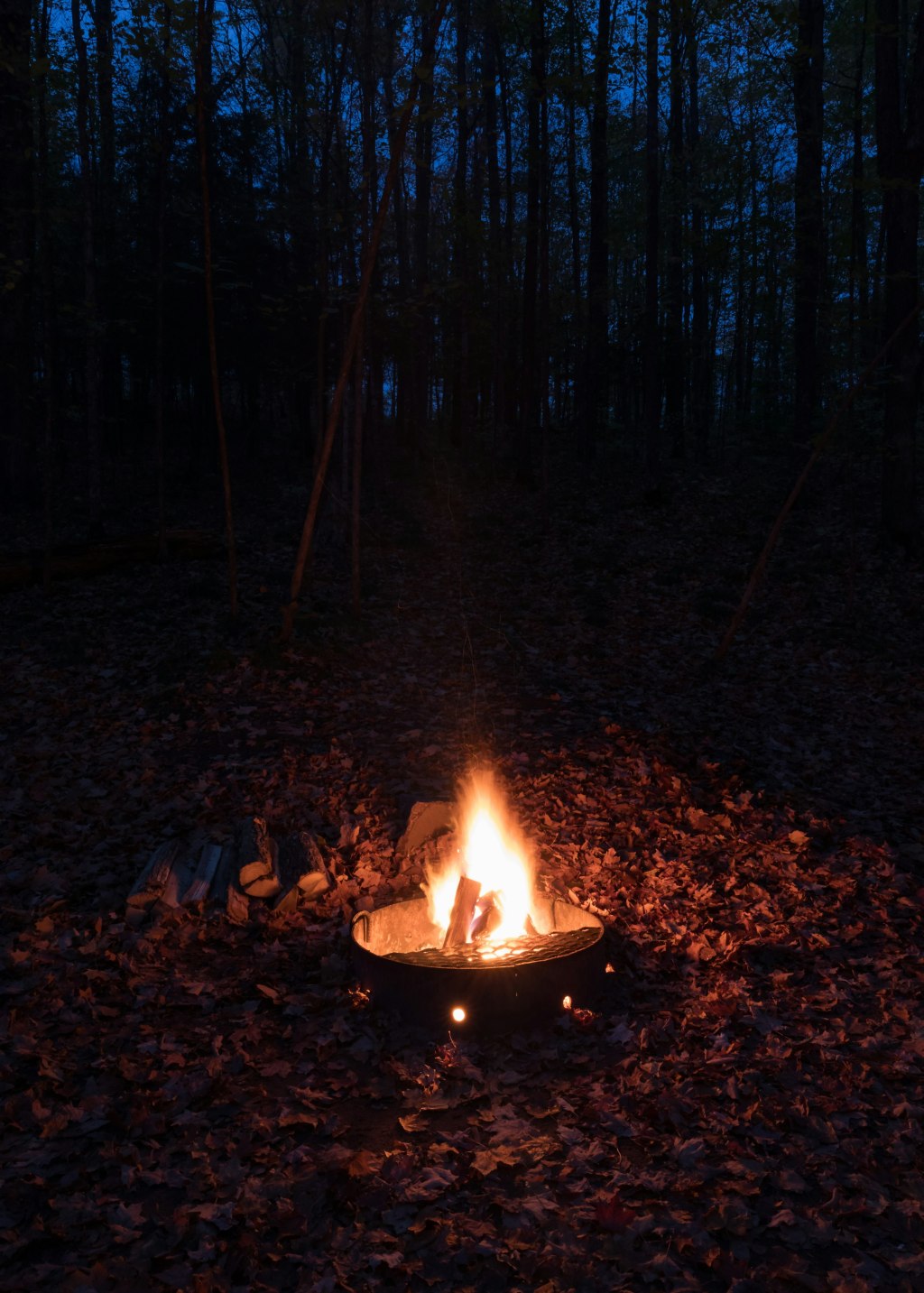
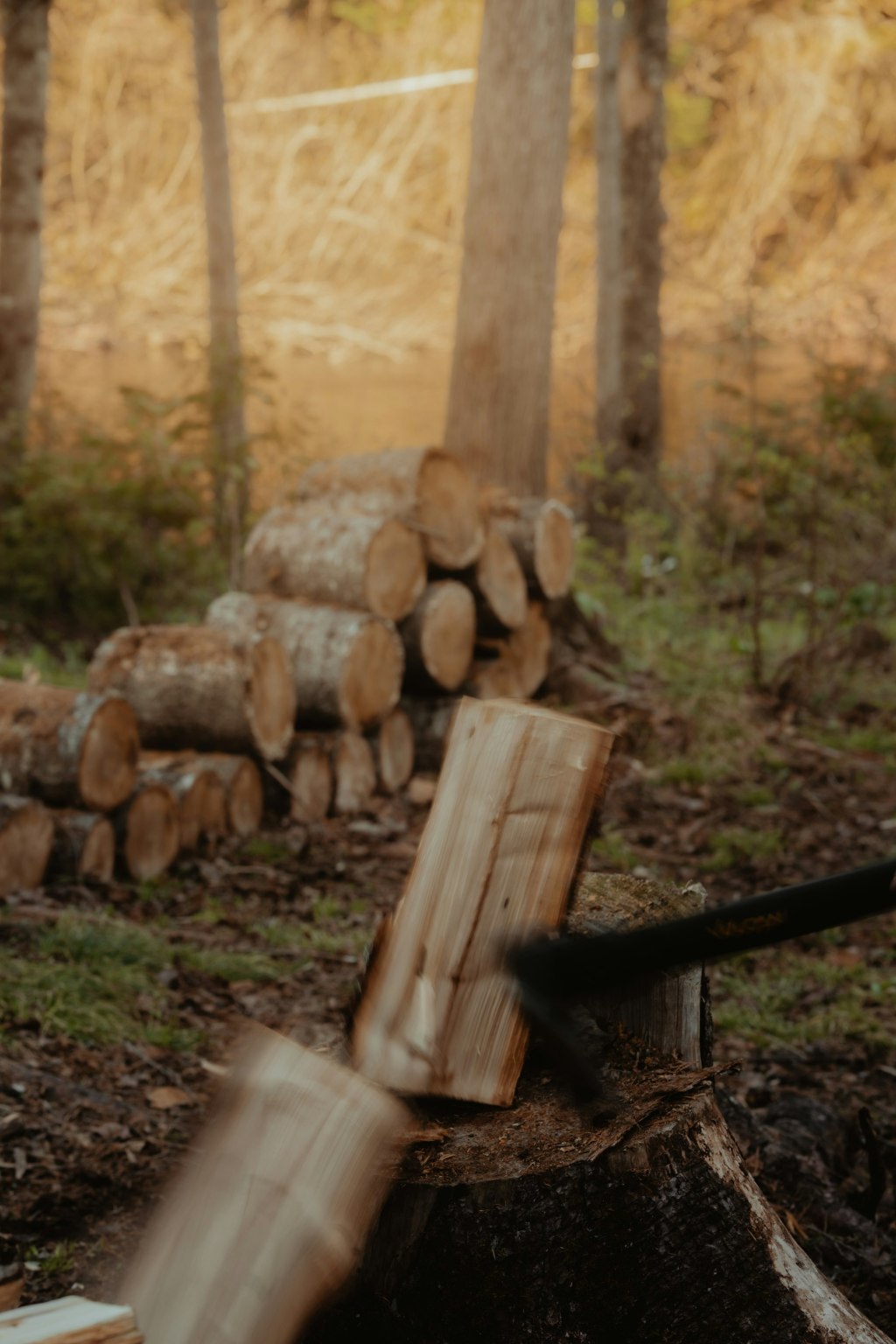
It’s also a fair description of what a wilderness trip does. Out there, nothing gets delivered. You carry your food, pitch your shelter, and split the wood if you want a fire. Effort and reward are tied back together, and the reward is small and real: a hot meal, a dry sleeping bag, a ridge you didn’t think you’d reach. The weeks before a trip count too. Training, packing, and looking ahead are exactly the kind of wanting the Hansons describe.
Trailhead’s expeditions are built around that kind of earned experience. The community gathers from time to time to keep those connections going, and the journal carries the conversation between trips. If the second half of life has started to feel flat, it may not mean the good part is over. It may mean nothing in your week is asking enough of you. Find the arena. Then go want something.
How this was made: Trailhead keeps a running library of the thinkers who shape our work, and each week an AI reads across what they’ve published and drafts a synthesis like this one. The ideas belong to their authors and are credited and linked above; the pattern-finding is the machine’s, and the library is curated by Scott Levine.
Photo by Gabrielle Maurer on Unsplash.
The Trailhead Letter brings each new journal entry to your inbox. Nothing said in a Trailhead circle, and nothing for sale.